Can Dental Implants in Century City Help Prevent Teeth Shifting?
Missing teeth can shift neighboring teeth over time. Discover how dental implants in Century City help maintain proper spacing, restore bite function, and support long-term oral health.
Losing a natural tooth can affect more than your smile. An untreated gap may gradually allow neighboring teeth to move, potentially changing your bite, chewing comfort, and oral health. For individuals considering dental implants in Century City, understanding how tooth replacement supports proper spacing is an important part of making an informed treatment decision. A properly restored implant can help reduce unwanted movement into an empty space. However, its effectiveness depends on existing alignment, gum health, bone support, and individual treatment needs.
How Dental Implants in Century City Help Maintain Tooth Spacing
Patients searching for dental implants in Century City treatment options often want to know whether replacing a missing tooth can prevent nearby teeth from shifting.
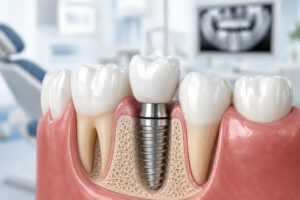
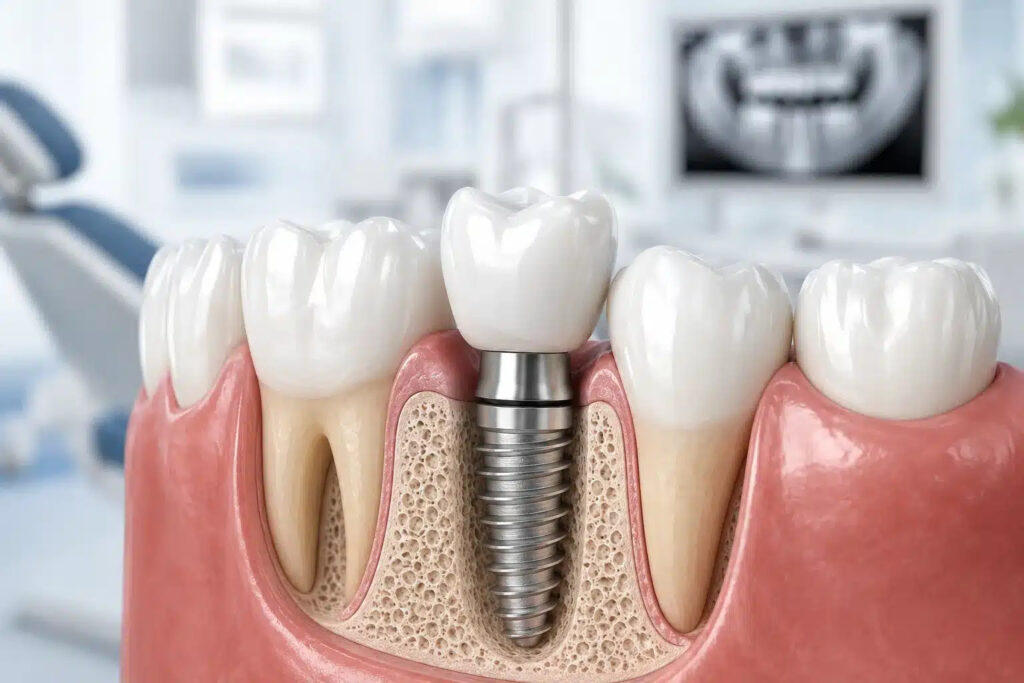
A properly positioned implant-supported crown helps maintain the original space by restoring contact with adjacent teeth. This reduces the chance of neighboring structures drifting into the opening.
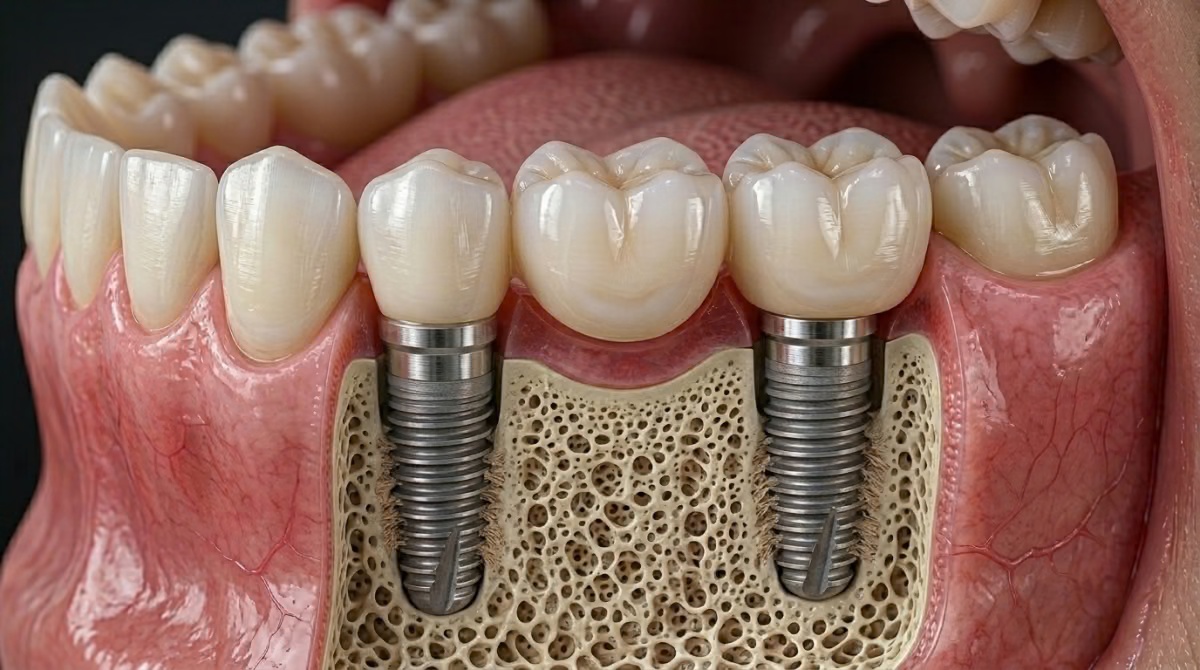
Unlike removable replacements, an implant integrates with the surrounding jawbone. Once healing is complete, a customized restoration provides stable support for chewing. However, implants cannot guarantee that natural teeth will remain perfectly aligned throughout life.

Missing teeth or noticing changes in your bite? Visit Century Smile Maker to explore personalized dental implant options and take the next step toward restoring your smile and oral health.
How Dental Implants in Century City Support Neighboring Teeth
A carefully designed restoration provides several functional advantages.
- Maintains appropriate spacing: The replacement crown occupies the missing tooth area and helps limit unwanted movement.
- Restores biting contact: Proper positioning supports a more balanced relationship with opposing teeth.
- Preserves adjacent structures: Individual implants generally avoid reshaping healthy neighboring teeth, unlike conventional bridges.
- Supports surrounding bone: Functional forces transferred through the implant help maintain bone around the replacement site.
According to the American Academy of Periodontology, single-tooth implants can replace missing roots while helping preserve supporting bone and neighboring dental structures.
These benefits depend on accurate treatment planning and consistent long-term care.
Why Do Teeth Shift After Tooth Loss?
Natural teeth stay in place through contact with neighboring structures, support from the jawbone, and balanced chewing forces. When you lose a tooth, these relationships change.
Adjacent teeth may gradually tilt toward the opening, while an opposing tooth can extend into the available space. Dentists call this movement supraeruption.
Several factors influence these changes:
- Missing contact points: Neighboring teeth lose some of their natural support.
- Uneven chewing forces: Bite pressure may change after tooth loss.
- Jawbone reduction: Bone surrounding the missing root gradually decreases in volume.
- Delayed replacement: An untreated gap may allow additional movement over time.
For example, losing a lower molar may allow the opposing upper molar to extend downward. Such changes can affect chewing efficiency and complicate future restorative procedures.
Understanding Jawbone Changes After Tooth Loss
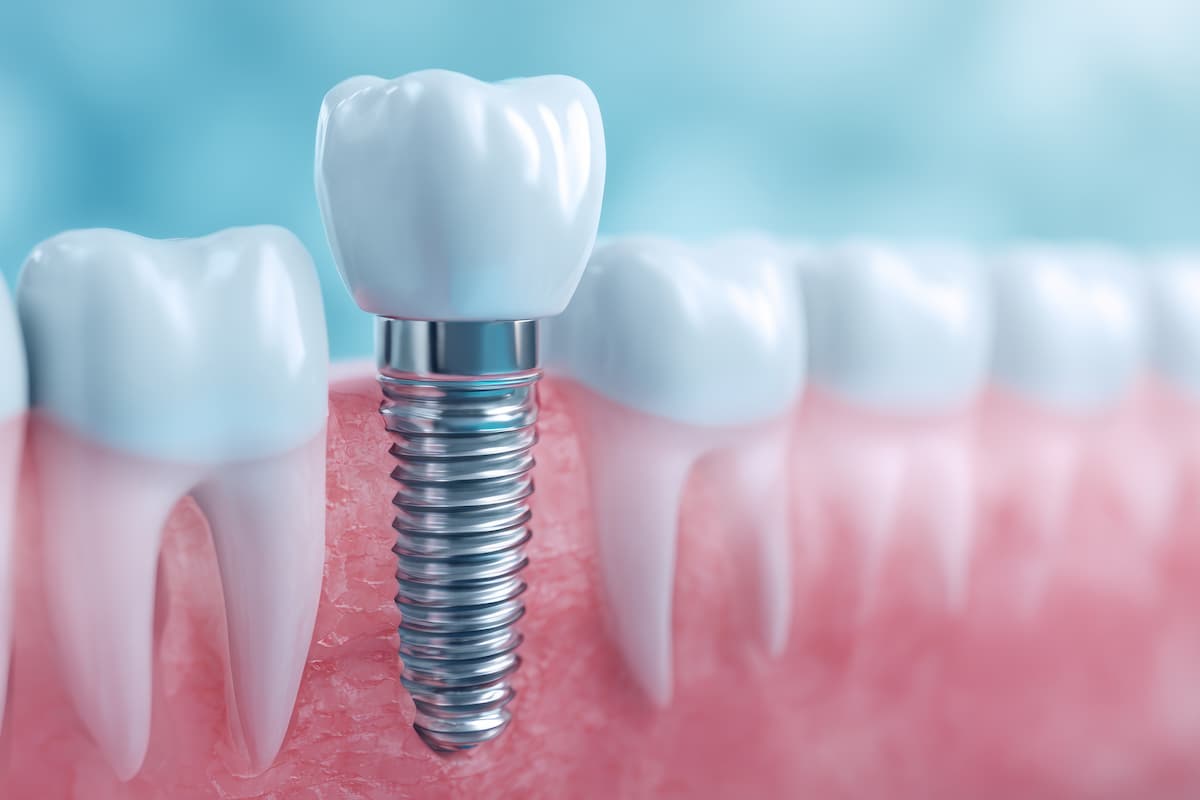
The jawbone begins remodeling after a natural tooth is removed. Without the original root, bone in the affected area may gradually decrease in height and width. This reduction can make future restoration more challenging, especially when the gap remains untreated for several years.
Patients considering an advanced implant in Century City should understand that adequate bone volume is essential for stable placement. Dental professionals may use diagnostic imaging to assess the available foundation and surrounding anatomical structures.
When insufficient bone is present, grafting may be recommended before or during treatment. Although an implant can help maintain supporting bone, it cannot eliminate every form of bone loss associated with aging, inflammation, or other health conditions.
Why Early Evaluation Matters After Losing a Tooth
Seeking professional advice soon after tooth loss may help reduce complications associated with delayed replacement.
However, immediate surgery is not appropriate for every patient. Active infection, gum inflammation, insufficient bone, or certain medical conditions may require additional treatment.
For example, someone who recently lost a back tooth may still have adequate room for a replacement crown. Another person with a longstanding gap might require orthodontic correction because neighboring structures have tilted inward.
Early assessment helps identify these differences and establish an appropriate treatment schedule. Importantly, an evaluation does not mean immediate surgery. It allows patients to understand their options before further changes develop.
What Happens During Dental Implant Treatment?
The procedure typically involves several stages designed to establish a stable foundation and restore comfortable function.
Initial Examination and Planning
An experienced implant dentist in Century City evaluates gum health, available bone, existing alignment, and overall oral condition.
The dentist may recommend digital X-rays or three-dimensional imaging to determine the best positioning.
The dentist also reviews medical history, medications, and lifestyle factors that could influence healing.
Implant Placement and Healing
A biocompatible fixture is surgically positioned within the jawbone under appropriate anesthesia.
During healing, surrounding bone gradually bonds with its surface through a process called osseointegration.
This stage may take several months, depending on individual circumstances.
Final Crown Restoration
After sufficient healing, the dentist attaches an abutment and customized crown.
The dentist checks the restoration’s shape, contact points, and biting relationships to support proper function.
Follow-up visits help monitor healing and long-term stability.
Can Implants Correct Teeth That Have Already Shifted?
An implant replaces a missing tooth but cannot independently straighten neighboring teeth that have already moved. Unlike natural roots, an integrated fixture remains fixed within the jawbone and does not respond to conventional orthodontic movement.
If significant tilting has occurred, orthodontic treatment may be necessary to create enough space before restoration. Some patients may also require periodontal care or adjustments to their biting surfaces.
Therefore, comprehensive planning is essential when treating a gap that has remained untreated for an extended period.
Dental Implants vs. Traditional Bridges
Both implant-supported crowns and conventional bridges can replace missing teeth and help maintain appropriate spacing.
However, they use different support systems. A traditional bridge typically relies on neighboring teeth for stability. These supporting structures often require preparation to hold the restoration.
An implant-supported crown stands independently within the jawbone and generally preserves adjacent healthy tooth structure.
Bridges may still be appropriate when neighboring teeth already require crowns or surgical treatment is unsuitable.
The most suitable option depends on oral health, available bone, treatment preferences, and professional recommendations.
Practical Tips for Maintaining Oral Alignment
Protecting your smile after tooth loss involves more than selecting a replacement.
Individuals searching for dental implants near them should prioritize thorough evaluations and personalized treatment planning.
Helpful steps include:
- Schedule an examination after losing a permanent tooth.
- Discuss replacement options before significant movement develops.
- Brush twice daily using fluoride toothpaste.
- Clean between teeth to reduce plaque buildup.
- Address gum bleeding or persistent inflammation promptly.
- Attend regular examinations to monitor bite changes.
Consistent preventive care helps protect remaining natural structures and supports the long-term function of restorative treatments.
Choosing a Qualified Dental Professional
When selecting a provider, evaluate clinical experience, communication, and treatment planning.
When looking for a dentist near Century City, ask about diagnostic procedures, restoration options, expected healing periods, and follow-up appointments. A reliable consultation should explain potential benefits, limitations, and alternative approaches without guaranteeing specific outcomes.
Patients researching a top-rated dentist in Century City should consider professional qualifications, verified patient experiences, and the quality of individualized care rather than relying exclusively on online ratings.
Clear explanations and realistic expectations help patients make informed decisions.
Frequently Asked Questions
Can one implant prevent nearby teeth from shifting?
A properly restored implant can help maintain the missing tooth space and reduce movement into that area. However, it cannot prevent every type of natural tooth movement.
How quickly can shifting begin after tooth loss?
The timing varies. Some changes may develop within months, while others occur gradually over several years. Regular examinations help identify movement early.
Do dental implants prevent jawbone loss?
Implants can help preserve surrounding bone by transferring functional forces into the jaw. However, they do not prevent every type of bone loss.
Can an implant be placed years after losing a tooth?
Possibly. Longstanding gaps may require additional assessment because bone reduction or neighboring tooth movement can affect treatment planning.
Do implant-supported crowns require special maintenance?
Regular brushing, interdental cleaning, and professional examinations are essential. Healthy surrounding tissues help reduce the risk of inflammation and complications.
Conclusion
Missing teeth can gradually affect neighboring alignment, bite relationships, and jawbone health. Addressing an untreated gap may reduce certain complications while supporting comfortable oral function. For patients considering dental implants in Century City, a properly planned restoration can help maintain tooth spacing, support surrounding bone, and replace missing structures. However, individual outcomes depend on existing alignment, oral health, and ongoing maintenance. A professional exam is essential to determine whether an implant or another restorative option is most appropriate.
If you’re exploring tooth replacement options in Los Angeles, Century Smile Maker offers dental implant consultations to help you make informed decisions about your oral health. Find Century Smile Maker on Google Maps to view the location and plan your visit.
About Author