
How Digital Platforms Are Transforming Energy Sector Travel Management
Discover how energy travel management is evolving with digital platforms that simplify logistics, improve coordination, and enhance cost control for remote sites and large workforce operations.

The energy industry operates in some of the most demanding environments in Canada, from remote oil sands sites in Alberta to offshore projects requiring complex coordination. Managing workforce mobility in these conditions has always been challenging. Today, digital innovation is reshaping how companies approach energy sector travel management, bringing efficiency, visibility, and cost control to the forefront.
Table of Contents
- The Complexity of Travel in the Energy Sector
- The Shift from Manual to Digital Systems
- Key Benefits of Digital Platforms
- The Role of Technology in Workforce Lodging
- Why Energy Companies Are Accelerating the Shift to Digital Solutions
- Choosing the Right Travel Management Company
- The Future of Energy Workforce Logistics
- Conclusion
In hubs like Calgary, where large-scale operations are coordinated daily, the need for smarter systems has never been greater. Traditional processes are being replaced by modern platforms that streamline bookings, improve coordination, and enhance workforce logistics.
The Complexity of Travel in the Energy Sector
Energy companies face unique challenges when organizing workforce movement:
- Remote and hard-to-access locations
- Rotational workforce schedules
- Last-minute booking changes
- High accommodation demand near project sites
These factors make logistics in this sector far more complex than standard corporate travel. Coordinating flights, ground transport, and accommodations for large crews requires precision and flexibility. Without the right systems, inefficiencies can lead to rising costs, operational delays, and reduced worker satisfaction.
The Shift from Manual to Digital Systems
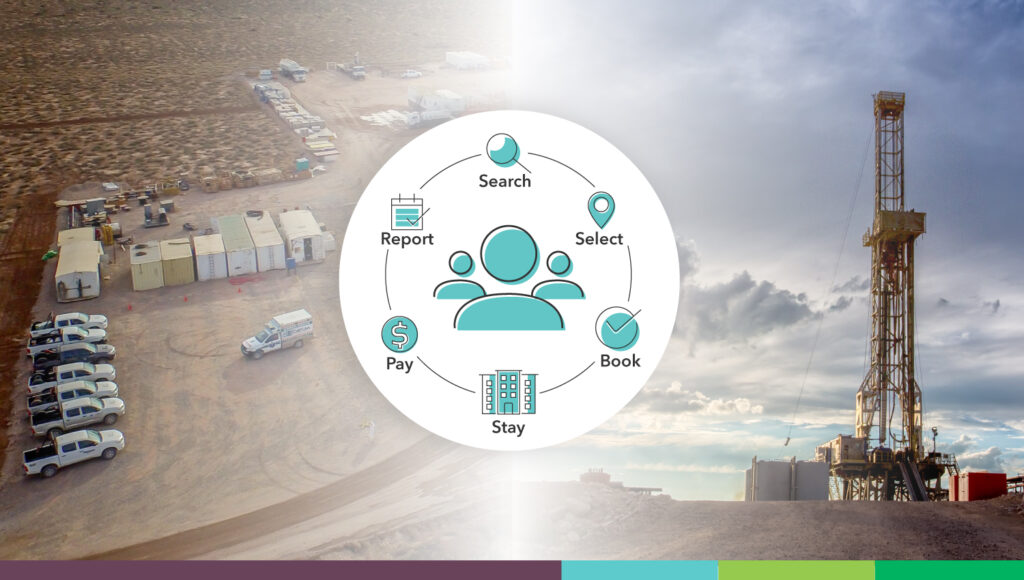
Historically, many companies relied on spreadsheets, emails, or disconnected booking tools. While functional, these approaches lack scalability and real-time visibility. Digital platforms are now transforming energy sector travel management by centralizing operations into a single system.
This allows organizations to:
- Automate booking workflows
- Access real-time availability
- Track workforce movements and lodging
- Reduce administrative effort
For companies in Calgary managing large deployments, this shift is quickly becoming essential.
Key Benefits of Digital Platforms
1. Centralized Booking and Coordination
Modern platforms bring travel, accommodation, and logistics together in one place. This simplifies operations by removing the need to manage multiple vendors and tools. Teams can oversee schedules, bookings, and changes in real time, ensuring smoother coordination across job sites.
2. Improved Cost Control and Transparency
One of the biggest advantages of digital systems is financial clarity. Companies can:
- Monitor spending across projects.
- Compare accommodation options
- Identify cost-saving opportunities
This helps optimize workforce lodging solutions and avoid unnecessary expenses.
3. Real-Time Flexibility for Dynamic Operations
Energy projects often require quick adjustments due to weather, site conditions, or shifting timelines. Digital tools allow teams to modify bookings instantly, ensuring that lodging services and transportation remain aligned with operational needs.
4. Enhanced Workforce Experience
Well-organized logistics directly impact worker satisfaction. Reliable accommodations and smooth travel managements reduce stress and improve productivity. Efficient systems ensure workers arrive on time, well-rested, and ready to perform.
5. Data-Driven Decision Making
Modern platforms provide valuable insights into booking patterns, costs, and operational performance. These insights help companies:
- Improve planning accuracy
- Optimize schedules and routes.
- Strengthen overall logistics strategy.
The Role of Technology in Workforce Lodging
Accommodation is a critical part of energy operations. Securing reliable options near remote sites can be difficult, especially during peak demand. Digital platforms provide access to a vast network of properties, enabling companies to secure dependable crew lodging services efficiently. They also support better planning of workforce lodging solutions, ensuring teams are housed efficiently and comfortably.
Why Energy Companies Are Accelerating the Shift to Digital Solutions
Across the energy industry, organizations are rapidly adopting digital tools to improve how they manage workforce logistics and operational planning. Increasing project complexity, remote site requirements, and cost pressures are driving the need for more efficient systems, particularly for companies operating in key energy hubs like Calgary. Companies are recognizing that traditional methods are no longer sufficient to handle large-scale coordination. By implementing modern platforms, they can streamline booking processes, improve visibility across operations, and respond quickly to changing conditions.
This shift is also enabling better decision-making through data insights, helping organizations optimize their use of workforce lodging solutions and improve overall efficiency. As a result, digital adoption is becoming a key factor in maintaining competitiveness and operational resilience in the energy sector. Platforms like LodgeLink support this transition by offering scalable tools that simplify accommodation and logistics management for energy companies operating in complex environments.
Choosing the Right Travel Management Company
Selecting the right travel management company is key to maximizing the benefits of digital transformation.
Businesses should look for:
- Industry-specific expertise
- Access to extensive accommodation networks
- Real-time booking capabilities
- Transparent pricing and reporting
- Strong customer support
A reliable partner can significantly improve operational efficiency, especially in complex environments.
The Future of Energy Workforce Logistics
As technology continues to evolve, the future of workforce coordination in the energy sector will focus on:
- Greater automation
- AI-driven recommendations
- Predictive planning tools
- Seamless system integration
These advancements will further simplify logistics, reduce costs, and improve efficiency for energy companies across Canada.
Conclusion
Digital platforms are redefining how the energy industry manages workforce mobility. By streamlining processes, improving visibility, and enhancing flexibility, these tools are transforming energy sector travel management into a more efficient and strategic function. For companies operating in Calgary and beyond, adopting modern solutions is no longer optional—it is essential for staying competitive in a demanding industry.
FAQs
What is energy sector travel management?
It refers to coordinating transportation, accommodation, and logistics for workers in energy projects, often in remote locations, with a focus on efficiency and reliability.
How do digital platforms improve logistics in the energy sector?
They centralize bookings, provide real-time updates, and offer data insights, helping companies streamline coordination and reduce operational challenges.
Why are crew lodging services important?
They ensure workers have safe and comfortable accommodations near job sites, which supports productivity and reduces travel-related fatigue.
What should companies look for in a travel management company?
They should prioritize experience in the energy sector, strong technology capabilities, transparent pricing, and responsive support.
How do workforce lodging solutions impact operations?
They help reduce delays, improve worker satisfaction, and ensure teams are properly accommodated, leading to smoother project execution.
Looking to simplify workforce logistics and improve efficiency in Canada? Explore smarter solutions for energy sector travel management that help streamline operations, reduce costs, and support your teams in the field. Connect with LodgeLink to see how energy travel management can become more efficient and cost-effective.
About Author